What would it mean to stop trying to be a better person and start being who you already are? Paul’s letter to the Colossians doesn’t present virtues as a list of tasks to complete or goals to achieve but as clothing suited to a new identity—one that’s given, not earned. The question isn’t whether you can summon more compassion or patience. It’s whether you believe and act from what God says is already true of you.
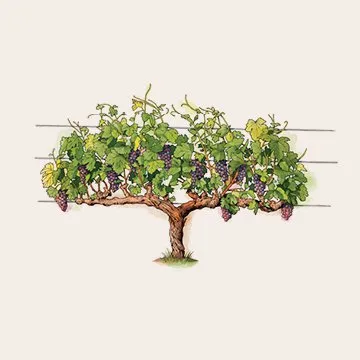
 Illustration by Jeff Gregory
BACKGROUND
Paul wrote to the Colossians from prison, urging them to live in keeping with the new life they’d received in Christ. Chapter 3 opens with a foundational call: “If you have been raised up with Christ ... set your mind on the things above” (Col. 3:1-2). The virtues that follow are rooted in that transformed identity.
READ
Colossians 3:12-15
REFLECT
Paul begins today’s passage not with commands but with a declaration: You are “chosen of God, holy and beloved.”
Before listing a single virtue, Paul explains who these readers are. “Chosen,” “holy,” and “beloved” are not descriptions of spiritual achievement—these words describe what God has already declared. How does being told who you are before being told what to do change the character of the instructions that follow?
In verse 12, Paul uses the verb meaning “to put on,” endyō, to describe physically dressing yourself. Clothing doesn’t change who you are—it expresses your identity. What might it mean, practically, to “put on” compassion or humility the way you’d put on clothes suited for the day ahead?
The list of virtues—compassion, kindness, humility, gentleness, patience—isn’t presented as a progression to master but as a wardrobe to wear together. Which “fits” you most naturally? Which feels like something you have to “try on”? What might account for the difference?
CONTINUING THE STORY
Paul moves from the “virtues as wardrobe” metaphor to the motivations for putting them on—all of which are relational and things to be received.
Verse 13 mentions “bearing with” and “forgiving” one another. The word for “bearing” suggests holding up or carrying weight. And forgiveness comes with a model: “just as the Lord forgave you.” Receiving forgiveness becomes the source for giving it. Think of a situation where being reminded that you’ve been forgiven made it easier—or harder—to forgive someone else.
Love (v. 14) is called “the perfect bond of unity.” In this context, love isn’t merely an additional virtue but the one that holds all the others together. What might result in a community where the virtues in verse 12 are present but love is absent?
In verse 15, we’re told, “Let the peace of Christ rule in your hearts.” Here, the word “rule” (brabeuō) comes from athletic competition, referring to the judge who declares the winner. What would it look like for Christ’s peace to function as the judge of your inner life—the thing that settles disputes, quiets anxiety, or decides between competing desires?
REFLECT
Virtuous living flows from the inside out: Knowing whose you are shapes who you are becoming, and who you are becoming is revealed in the compassion, kindness, and patience others experience from you.
The life the apostle Paul describes here isn’t produced by discipline alone. It flows from a settled identity—chosen, holy, beloved—that the Holy Spirit makes real in us over time. As you consider the virtues listed in this passage, don’t ask yourself, How do I try harder? but Where is Christ already at work forming this in me? Let that be both your encouragement and your prayer.