We live in anxious times. We have access to an entire world’s worth of bad news at our fingertips 24/7. The internet is changing our brains and creating neural pathways hardwired for anxiety in even our youngest generation. We’re overstimulated and overworked with every possible numbing distraction available to us.
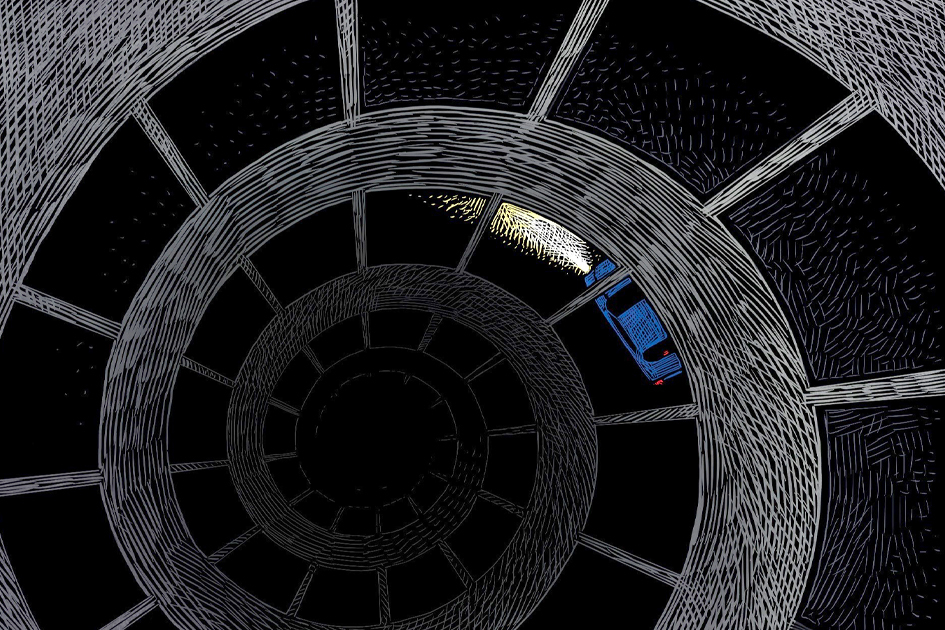 Illustration by Jeff Gregory
But for some of us, anxiety is an old companion predating a 24-hour news cycle and the internet. Before I became a writer, I was a registered nurse. Nursing is a noble calling and a beautiful ministry, but after searching like Goldilocks for the “just right” nursing job, I realized it wasn’t the job that was the problem; it was me.
I began my career, such as it was, working in a nursing home. Dissatisfied with that job, I tried every other niche in the medical field—pharma, medical/surgical, sub-acute pediatrics, and more. I once spent exactly a week working for an insurance company and promptly quit. I thought I wanted a “real” challenge to my medical expertise, but the truth was, I was frightened by the prospect of driving to doctor’s office in the city.
Instead of searching for a local job, I tried to push through my fears and applied for a staff position in a Neonatal Intensive Care Unit at an urban research hospital and spent a year commuting into the city despite my apprehension. My most vivid memory of that year was the nausea and sense of impending doom that I felt as I circled the garage looking for a parking spot before each shift. I experienced extreme anxiety before and during work, and once again convinced myself it was the job that was the problem. In truth, I was absolutely terrified of making a mistake. I was anxious all the time but didn’t have the language to describe what my body was telling me.
Even after this obvious struggle, I still didn’t believe anxiety was a part of my life until I realized no one else expressed the same fears or nervousness around ordinary life occurrences. Driving clearly triggered anxiety for me because I’d lost a beloved teacher, a childhood friend, and both of my grandparents in traumatic motor vehicle accidents. But there were also many seemingly “normal” events in life that left me hypervigilant and physically shaky—signs that I ignored repeatedly.
In her book Try Softer, writer and licensed professional counselor Aundi Kolber writes, “Each of our bodies is a system that longs for and is created to move toward healing. When we don’t allow our bodies to process their experiences, they will certainly tell us … Our memories and experiences do not simply go away. Our bodies are their keepers.” My body spoke to me for years, but I refused to listen. And anxiety, like a thief who remained at the crime scene, continued to steal my joy and peace for decades.
Kolber recounts how her childhood home was an anxiety-inducing, tumultuous environment. Instead of getting professional help for their marriage and underlying issues, her parents hosted church groups to pray away their dysfunction. She writes, “I can’t help but consider that God might have worked to address our household’s dysfunction through more concrete means … I know now that we were looking for an exclusively spiritual answer to a largely psychological and physiological problem.”
Over the years, when my own prayers to “feel better” seemingly went unanswered, I began using new approaches to address the anxiety I experienced. Many of these involved moving my body in ways that helped me physically process the anxious feeling I’d stuffed into the basement of my being. Taking long walks, stretching, and spending time outside in nature all were deeply healing practices that I continue to this day. Therapy also remains a helpful tool for processing both the past and the present with a compassionate witness.
These practices have been incredibly helpful, and I know they are gifts God has provided for me to address the underlying issues creating anxiety in my life. But because we are body, soul, and spirit, I’ve also found I need spiritually grounding practices as well as physical options. Daily times of silence and stillness, along with a more listening-oriented approach to prayer, have been deeply impactful. By waiting with God in quiet moments or pondering a passage of Scripture, one of God’s names, or an image from the Gospels, I sense God’s presence in a way I didn’t before.
My spiritual mentor, Debra, suggested an additional practice that’s been meaningful. It helps me shift away from the belief that anxiety is something to endure and instead acknowledge that it has something to teach me. She suggested that when I experience fearful thoughts, I ask a gentle question: What is God’s invitation to me in this?
Approaching restless feelings with a sense of curiosity has helped me explore what God might be inviting me into when I experience them. I know anxiety is not of God, but I can still find Him working within me when I feel uneasy.
When nervous thoughts creep in, I often sense that God is inviting me into further exploration of what’s beneath them. What core fear is present? What lie am I believing? What is at the root? At other times, I’ve sensed an invitation to change some of my habits, to seek additional help, to move my body in novel ways, or to try a new spiritual practice. Sometimes the invitation is simply to be with God in the unsettling moment until it passes.
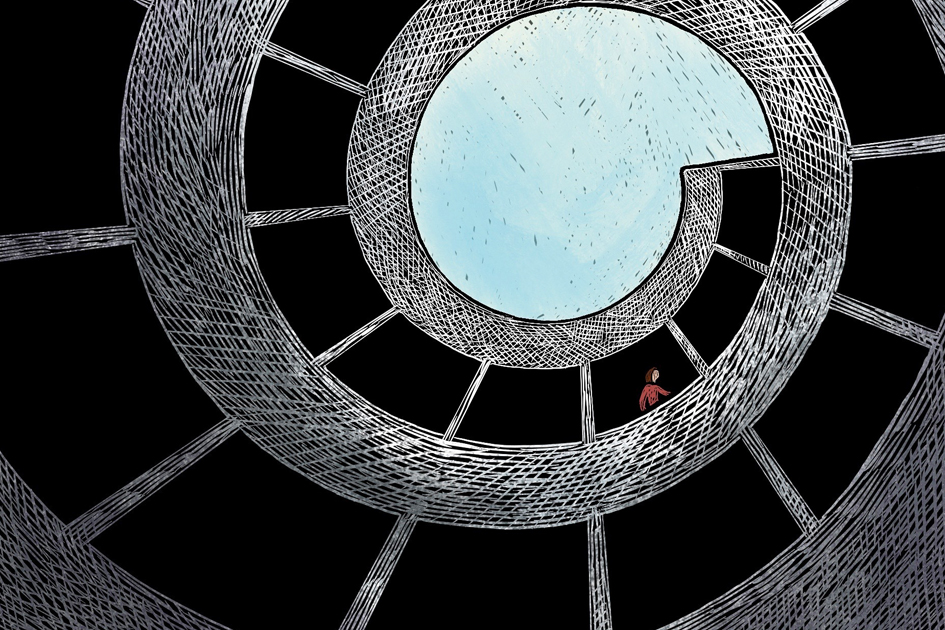
Reframing anxiety as an invitation to go deeper with God has been a huge, helpful, and hopeful shift for me. I’ve tried ignoring and stuffing down anxious thoughts, praying them away, overidentifying with them, or blaming God, others, or myself for the ways it felt my body and mind were betraying me. Instead, I’ve begun to understand the complexity of my worries—and to see how a gentle body, soul, and spirit approach is necessary to experience healing. Now, when I begin circling the multistoried parking garage of anxiety, I find a safe place to park and ask God, “What are You inviting me to experience—right here and right now?”